

Créé 12 août 2026
Ticketing Software for Dance & Performing Arts Events
No matter if you've been running shows for the last 30 years or if you're organising your very first recital, there is always room for improvement. Each year teaches you something new-about your audience, your team, and the tools you rely on. Before you begin planning your upcoming event, take an honest look at last year's show. What went well? What would you change?
In this article, we'll look at how the right ticketing software can help you change how you run your show.

What Is Ticketing Software?
Ticketing software in the performing arts world is an online platform for selling, distributing, and scanning tickets for real, in-person events like dance recitals, showcases, and community performances
Event management software handles tasks like delegate registration and hotel booking for conferences, but a specialised platform like Stage Stubs is built around the event planning needs of performing arts organisers. Common features include online ticket sales, seat selection, payment processing, QR-code tickets, and basic audience reporting.
Key Features of Modern Event Ticketing Systems
Not all ticketing systems are equal. Dance schools benefit from features tuned to performance events rather than generic conferences or networking events. Here is what to look for:
Online box office and buyer experience. Your customers should be able to purchase tickets 24/7 from a mobile-friendly page.
Reserved seating and custom seating charts. Stage Stubs sorts your seating plans for you. Buyers select their seat visually during checkout.
Multiple performance scheduling. A recital might run as a Saturday matinee and evening on 6 June 2026. The software separates sales, capacity, and pricing for each occurrence, so you can manage ticket volume across show times from a single event page.
Stage Stubs event ticketing software looks after all of this for you, in one easy-to-use dashboard.
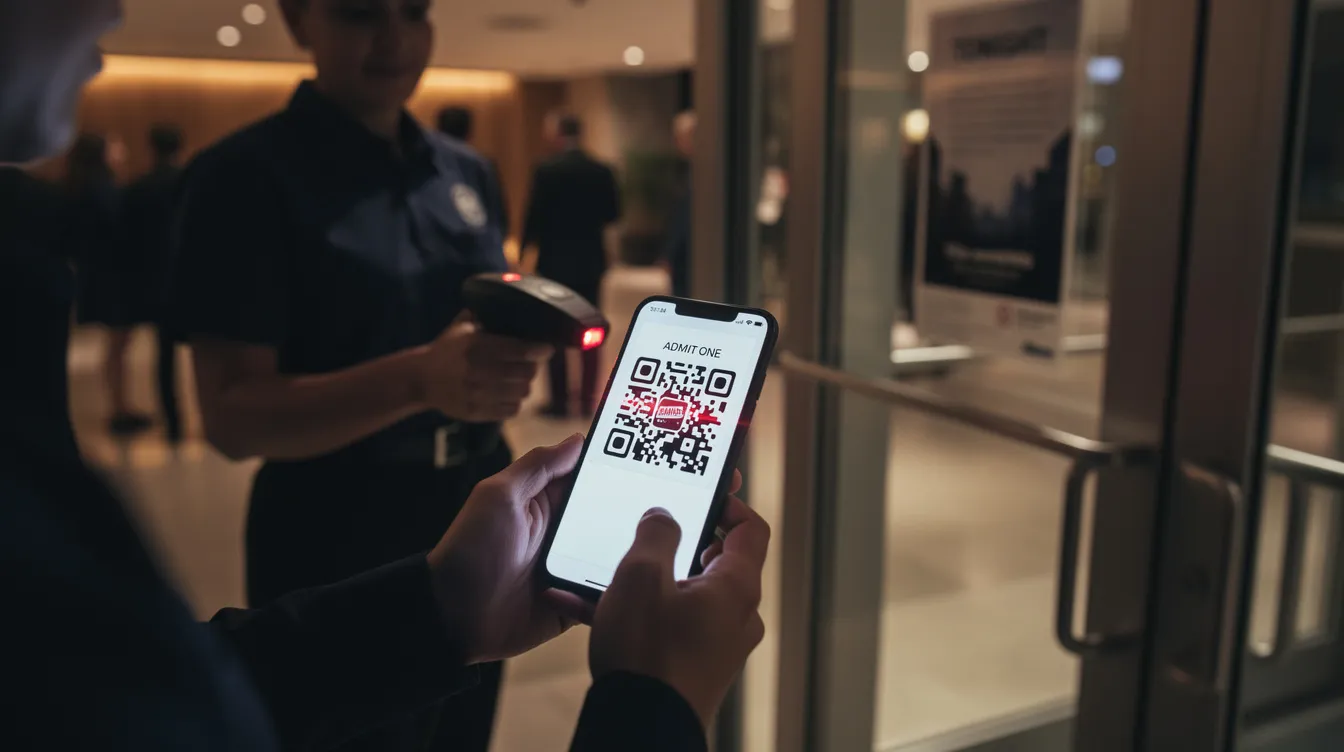
How Ticketing Software Improves the Actual Event Day
Show time is where all your planning either pays off or shows its cracks. Event day management requires team coordination and attendee engagement, and good ticketing removes friction for parents, performers, and staff alike.
Faster entry. QR-code scanning at the door speeds up arrivals dramatically. Each scan gives you a headcount for health and safety compliance-no clipboard tallying required.
Fewer "lost ticket" panics. Tickets can be resent instantly via email or retrieved by name in the system. The person on the box office doesn't need to rifle through a folder; they search a name and solve it in seconds.
Smoother seating flow. Pre-allocated seat numbers prevent crowding and disputes. Ushers direct families to their exact seats rather than refereeing arguments over who arrived first.
Choosing the Right Ticketing System for Dance & Performing Arts
The ticketing market is crowded. Eventbrite, TicketSource, TryBooking, Humanitix-there are dozens of options. The challenge is picking tools that match your specific use case. For a detailed breakdown, see our comparison of the top dance recital ticketing platforms.
Selection criteria for performing arts:
- Support for reserved seating maps with stalls, balcony, and numbered rows
- Multiple performances under a single event
- Family group bookings that keep seats together
- Clear event descriptions with performer names and class groups
- Transparent cost structure with no surprise fees at checkout
Cost matters. Ticketebo charges buyers 4.95% including VAT with nothing for organisers. Eventbrite can run roughly 6.95% plus £0.59 per ticket. Stage Stubs is free for organisers with a straightforward booking fee for buyers.
For a deeper dive into what features matter most, read our guide on what to look for in dance recital ticketing software. Or, see how Stage Stubs compares to TicketSource, or Eventbrite, and Trybooking.
Integrating Ticketing Software Into Your Event Planning Checklist
Work backwards from your show date. If you have a July recital, your event planning checklist should include ticketing milestones in the three-to-six month pre-show window. Event lead times vary-small events take 4–8 weeks, but recitals with reserved seating benefit from a longer runway. Setting clear objectives guides the entire event planning process, from budgeting to marketing decisions.
Key checklist items to add:
- 4–6 months out: Confirm venue layout with Stage Stubs; create online event pages; define ticket types (adult, child, concessions, family)
- 3 months out: Open ticket sales; begin your first round of promotion
- 6 weeks out: Review sales data; decide whether to open extra seating or add a performance
- 2 weeks out: Finalise volunteer schedules based on ticket volume per show; communicate arrival details to buyers via confirmation emails
- Post-show: Export attendee data; review what sold and what didn't
Your ticketing platform can act as a communication hub-confirmation emails can include arrival times, car park instructions, and audience guidelines. If you're wondering when to start promoting your next event, the answer is as soon as tickets go live.
Beyond Tickets: Add-ons, Merchandise, and Revenue Opportunities
You can even make addtiional revenue with Stage Stubs event tickets. Modern ticketing platforms are not just about seats. They can support wider revenue streams linked to the actual event experience.
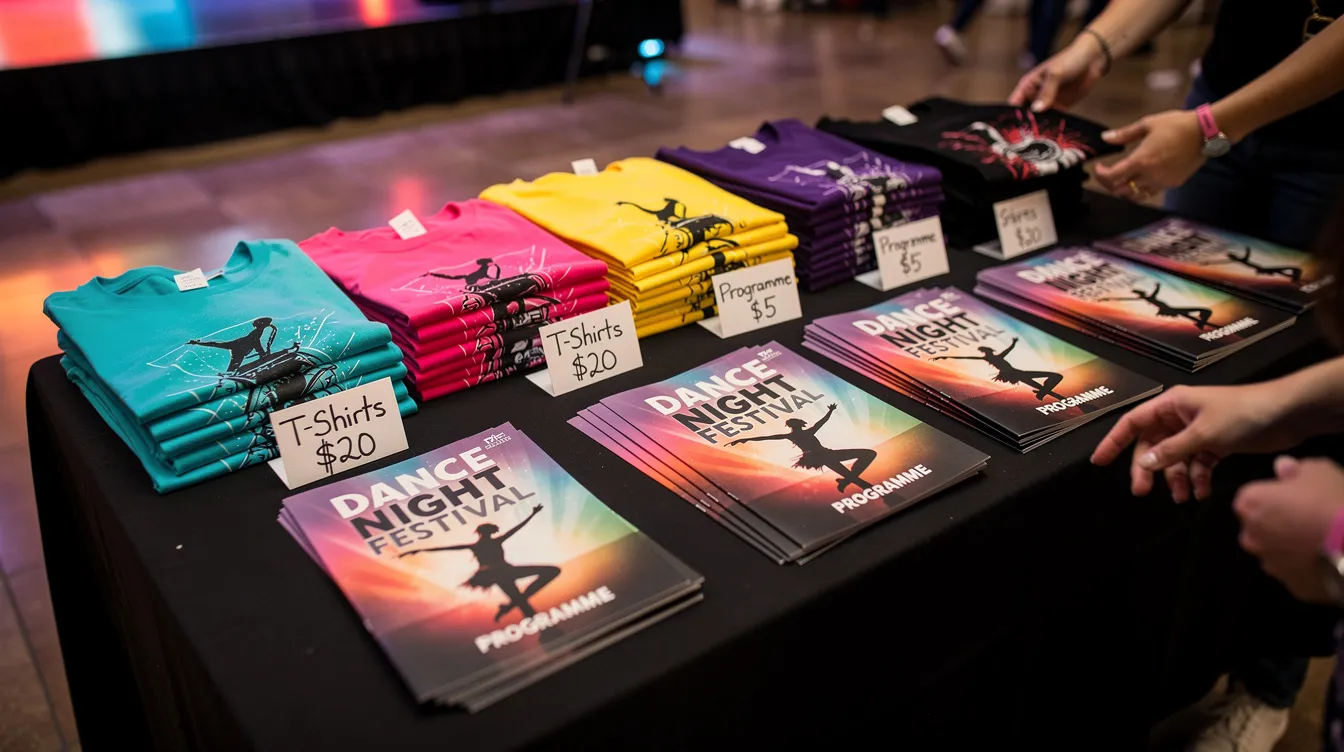
Through Stage Stubs, organisers can sell advertising spaces on their tickets and add-ons alongside tickets: show programmes, T-shirts, recital DVDs, photo packages, or post-show party passes. Pre-selling merchandise simplifies stock planning and reduces leftover items.
Data, Reporting, and Continuous Improvement for Next Year's Show
Each year's show is a learning opportunity, and ticketing data is a key part of that reflection. Post-event follow-up involves collecting feedback and sending thank-you notes, but the numbers tell their own story too. Reporting and analytics provide dashboards on key performance metrics and agent performance-or in your case, volunteer and sales performance.
Use buyer contact data for future registration and communication-segment by those who attended versus those who bought but didn't show. Understand booking windows so you can time reminders and resources for maximum impact. This is the nature of continuous improvement: every season feeds the next.
Bringing It All Together
Improving your show is not about reinventing everything from scratch. It is about being honest with yourself about what worked, fixing the bits that didn't, and giving yourself enough time and support to make it happen.
Start with planning. Make sure your volunteers are properly covered. Get your ticketing sorted early so show time runs as smoothly as possible. Do that, and you are already ahead of where you were this time last year.
If you are ready to make the switch, create your first event on Stage Stubs for free and see how much simpler your next show season can be.