

Creado 14 jul. 2025
Seating Plans Vs No Seating Plans
“To seating plan or not to seating plan?” That should be the question that you’re asking yourself when planning your next event.
We know that when you’re organising an event, be that a show or a recital, that sometimes thinking about things like seating plans may fall to the bottom of the list of priorities. Have no fear, Stage Stubs is here to help and handle all of your seating plan-related questions and issues.
In this blog post, we will cover the pros and cons of having a seating plan and when they would benefit you.

What is a Seating Plan?
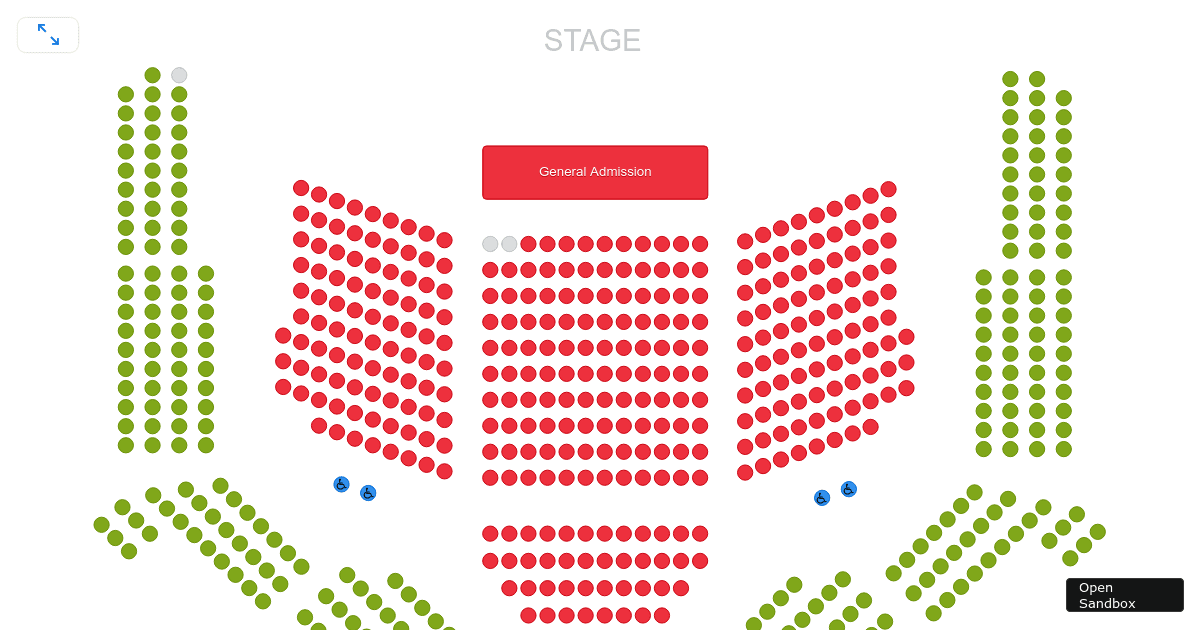
In the event industry, a seating plan is a breakdown of all the seats available in your venue. When people buy tickets to your event, as part of the ticket purchasing process, they will select their preferred seating and purchase a ticket to sit there.
There are, of course, pros and cons to offering both a seating plan and no seating plan, and in some cases, they work, while in others, they don’t.
When Won’t a Seating Plan Work?
In most cases, having assigned seating does and will work. However, it won’t be the best choice when:
1. The Event Is Informal or Open-Air
For casual events like community fairs, local festivals, or outdoor concerts, attendees often expect to choose their own spot. A seating plan may feel too restrictive or unnecessary.

2. You Want a Quick, First-Come-First-Served Entry
If your event needs fast entry or you’re expecting a large walk-in crowd, general admission with no assigned seating can make the check-in process smoother and reduce delays at the door.
✅ Pros of a seating plan | ❌ Cons of a seating plan |
| You can offer a tiered pricing system; the seats with better views can be charged at a premium price. Generating additional revenue. | Attendees may be dissatisfied if they perceive their assigned seat as being worse than expected, even if it’s within their price tier. |
Easier for ushers and volunteers to show people to their seats. | Harder to make last-minute adjustments if guests cancel their tickets. |
| Attendee assurance. If people need to secure their seats, they’re more likely to purchase tickets sooner. | Some attendees prefer the freedom to choose where they sit and may feel restricted by assigned seating. |
| Prevents overcrowding/fighting over seats. Having assigned seats means that audience members won’t all congregate in one area. | When only less desirable seats are left, people may be discouraged from purchasing tickets, potentially leaving empty spaces. |
| If parents are watching their children perform, they can tell their child ahead of time where they will be sitting, so the child can look out for them. | You may be left with random single seats dotted throughout the theatre. |
Pros and Cons of Not Having a Seating Plan
✅ Pros of not having a seating plan | ❌ Cons of not having a seating plan |
| All tickets are sold at a flat rate, making the pricing structure easy to manage. | All tickets are sold at a flat rate, meaning you are unable to make additional revenue. |
| Flexibility in seating. Family and friends can choose to sit with each other, rather than having a prearranged seat. | Without structure, there may be confusion or delays in people finding available seats, especially at larger events. Which, for larger events, could delay the start of the show. |
| Works well for casual or standing-room-only events, where the atmosphere is relaxed and seating isn’t critical. | Guests tend to cluster toward the front or center, leaving gaps in other areas and potentially affecting the visual balance and energy of the event. |
How Can Stage Stubs Help?
At Stage Stubs, we’re not only a free-for-business ticketing platform — we also support you with the running and management of your event. One of the key benefits we offer is the option to include a seating plan, and we’ll do this for you free of charge.
Our dedicated team will create the seating plan for you and add it directly to your event, so you don’t even need to lift a finger when it comes to setting up the chart. Want to find out more about seating plans or start planning and selling tickets for your show today? Open your free account.